Cash Envelope System for Beginners: A Simple Start Guide
New to cash envelopes? Learn how the cash envelope system works, which categories to start with, and simple tips to stick with it as a beginner.

If your money seems to vanish before the month is over and you're not quite sure where it goes, you're not alone — and you're not bad with money. The cash envelope system is one of the oldest, most forgiving ways to get a handle on spending, and it works especially well when you're just starting out. No apps, no spreadsheets required, just envelopes and a plan.
What the cash envelope system actually is
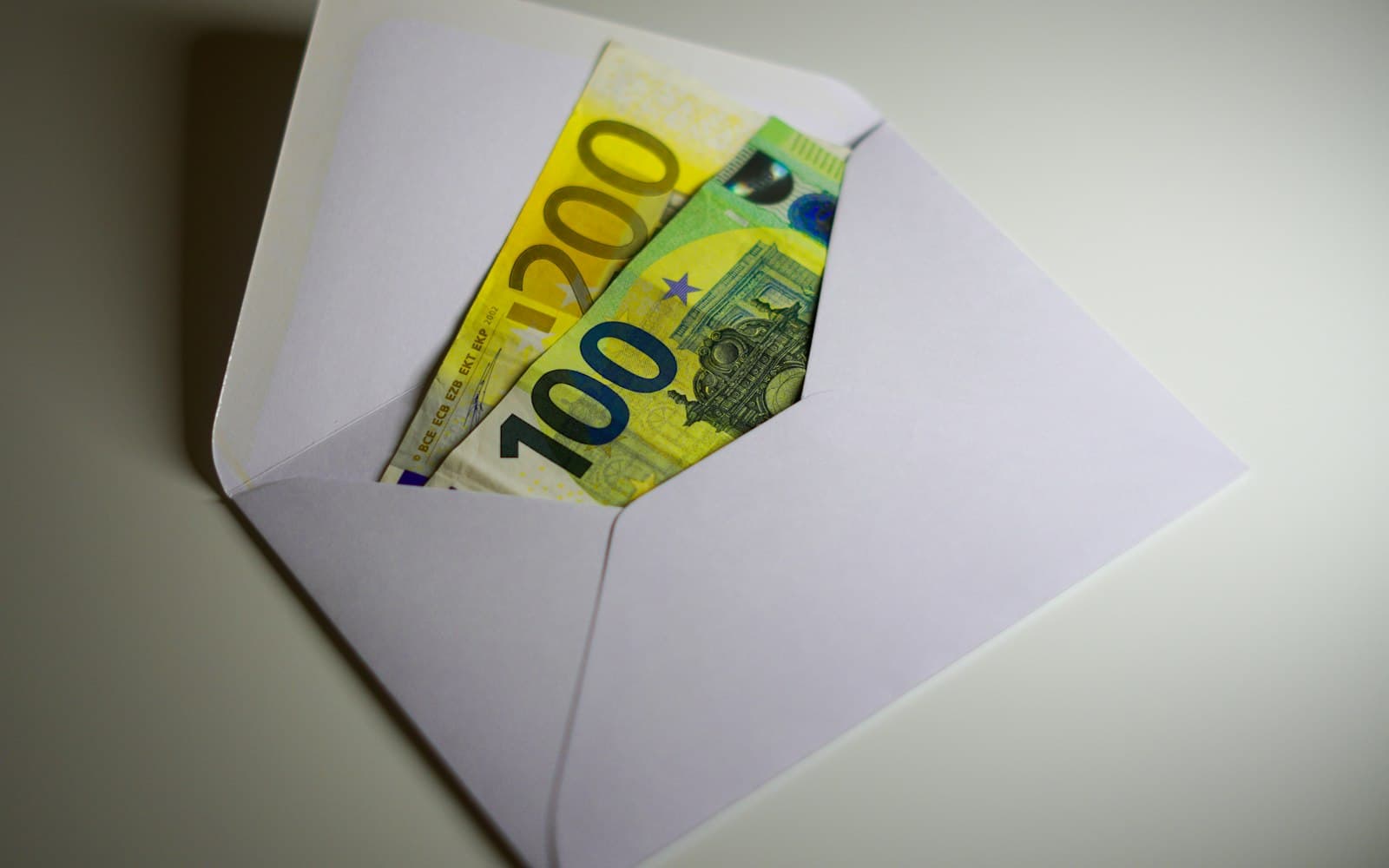
The idea is simple: instead of letting your whole paycheck sit in one account where it's easy to lose track of, you divide your spending money into physical envelopes labeled by category — groceries, gas, fun money, and so on. When an envelope is empty, you stop spending in that category until next month. There's no overdraft, no "I'll just put it on the card," and no guessing. You can see and feel exactly how much you have left.
This works because it makes spending physical again. Swiping a card or tapping a phone doesn't feel like losing money the way handing over cash does. That small psychological friction is actually the whole point — it slows you down just enough to make better choices.
Setting up your first envelopes
You don't need to sort your entire budget into fifteen categories on day one. Start small with the categories where you tend to overspend or where spending happens often enough to notice. A good beginner setup usually includes:
- Groceries — food and household basics
- Gas/transportation — fuel, transit passes, rideshares
- Dining out — coffee, takeout, restaurants
- Fun money — hobbies, entertainment, personal spending
- Miscellaneous — the catch-all for things you forgot to plan for
Everything else — rent, utilities, insurance, debt payments — usually stays in your bank account and gets paid automatically, since those amounts don't fluctuate day to day. Envelopes work best for the categories where your choices actually change how much you spend.
How much to put in each envelope
This is where a lot of beginners get stuck, so here's a simple way to think about it. Look at your last one to two months of spending (bank and card statements make this easy) and total up what you actually spent in each category. That number, not a guess, is your starting point.
Here's a sample monthly split for someone bringing home about $3,200 a month:
| Envelope | Monthly amount |
|---|---|
| Groceries | $450 |
| Gas/transportation | $150 |
| Dining out | $120 |
| Fun money | $100 |
| Miscellaneous | $80 |
That's $900 in cash, withdrawn once at the start of the month or split across paychecks. The rest covers rent, bills, savings, and debt payments through your bank as usual. If you want a framework for dividing your whole paycheck this way, The 50/30/20 Budget, Made Simple is a good companion to this system.
Running the system week to week
Once your envelopes are filled, the daily habit is easy: when you're about to buy something, pull cash from the matching envelope. If it's empty before the month ends, you have three honest choices — stop spending in that category, borrow from a different envelope (and note it, so you remember), or wait until next month's refill. All three are fine. The goal isn't perfection; it's information. An empty grocery envelope on day 20 tells you something useful about next month's number.
Keep a small notebook or the back of an envelope itself as a running log. Just a date and amount is enough. Over a couple of months, you'll start to see patterns — maybe dining out always runs short, or gas is consistently overfunded. That's not failure, that's data you can act on.
Making it work with the rest of your money
Cash envelopes handle day-to-day spending, but they work best as one piece of a bigger plan. If you haven't set up a full budget yet, How to Start a Budget (Step by Step) walks through the basics, and Budgeting for Beginners: The Complete, No-Stress Guide is a solid reference if you want the full picture beyond envelopes.
It's also worth building in a buffer for irregular costs — car repairs, holiday gifts, annual subscriptions — so they don't quietly wreck your envelope system. A small sinking fund set aside separately can absorb those without touching your weekly cash. If you're carrying debt, envelopes can free up money to put toward it faster; Debt Snowball vs. Avalanche explains two common ways to prioritize those payments.
If you want a simple place to plan out your categories and amounts before you start withdrawing cash, the Monthly Budget Planner can help you map it out in one sitting.
Frequently asked questions
Is the cash envelope system safe if I don't want to carry a lot of cash?
You can start with smaller amounts or use it for just one or two categories, like dining out and fun money, while keeping the rest in your bank account. Some people also use envelope-style tracking with a debit card and separate sub-accounts instead of physical cash, which keeps the same spending limits without carrying bills around.
What happens if I run out of cash before the month ends?
That's normal, especially in your first month or two while you're still calibrating the amounts. Treat it as information rather than a failure — either the category needs more money next time, or it's a sign to hold off on nonessential spending until the next refill.
Do I need envelopes for every single expense?
No. Bills that are the same amount every month, like rent or a phone bill, are usually easier to pay directly from your bank account. Envelopes work best for variable, everyday spending where your choices change the total.
Can this system help me get out of debt faster?
It can help indirectly by making it easier to see where you're overspending and freeing up money you can redirect toward debt payments. It's not a debt payoff method on its own, but pairing it with a clear payoff strategy tends to work well for a lot of people.
Share this article